
Act IV — The Sleeping Water
Page 20 — The Not-Knowing Where
Where he is, I do not know.
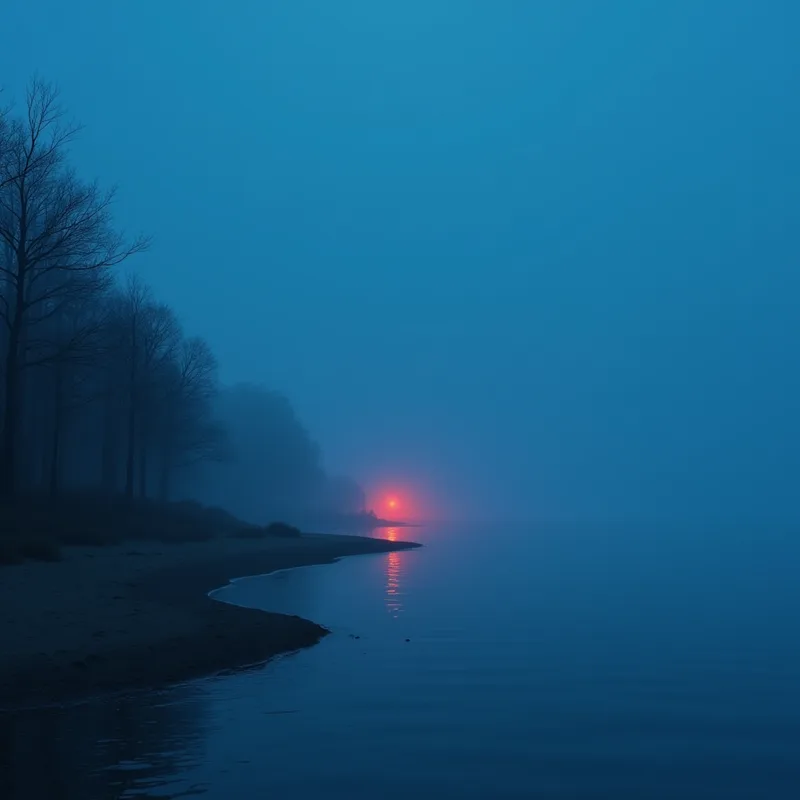
I have used the word know once in this story, and I will spend it carefully. The once was the white — the white of the crossing, the white that had no side to it, and the side-less was the thing I held the shape of while it ran through the six of us. I know the way the white went out, because the going-out passed through my hands first, and the passing-through was the archmage's part in the crossing: the craft under my ribs opened the way the craft opens when the craft is the one holding the shape of the thing that is happening, and the holding was my part in the white, and the part was the one the craft did not let go of. I know the way the world took us, because the world's taking is a reading, and the reading was the one I did before I could do it — the way the reader reads the line before the line is the line. And I do not know the way he is, because the way is the one the not-knowing keeps, and the not-knowing is the thing the world does not give back.
The not-knowing is a place.
I will say that in the plain voice, because the record is owed the saying. The not-knowing is a place the camp keeps the edge of, and the keeping-the-edge is the whole of the not-knowing's part in the camp. A camp that has a not-knowing does not walk into it the way a camp walks into a thing — it walks around it, the way a camp walks around a wound in the ground that the camp is not owed. We walked around it on the third day the way we walk around it now: Wreckreate to the water's line with the not-knowing's part of the day, Rumzuck to the seam with the not-knowing's part of the rock, and me to the fire with the not-knowing's part of the craft. The three of us walked around it, and the walking-around was the camp's part in the not-knowing, and the part was the one the camp does not let go of.
Wreckreate went to the water on the third morning.
He went the way he goes to the water — without a word, and the not-word was his part in the going. The morning was the morning: the light over the broken line, the black sand where the sand's part of the camp is, the water going in and out at the line the way the water goes when the wind is not here. He knelt at the line where the water comes in, and the kneeling was the one the water-reader owes the water — the knees where the water's part of the ground is, and the ground did not ask him for it, and the not-asking was the ground's part in the kneeling. He put both hands in, and the water took his hands the way the wrong world takes everything — without looking up, and the without-looking-up was the water's part in the taking.
He was quiet for a long time.
The long was the one the reading keeps for the reader. I stood where I stood — a little back from the line, where the camp's part of the morning is, and the part was the one the record owes me: I was not at the water that morning. I was the one the camp kept at the fire, and the keeping was the craft's part in the reading, because the craft is the one thing in the camp that reads what the reader reads after, and the reading-after was my part in the long. I watched his back the way the record watches a thing it is not owed — with the keeping, and the keeping was the one I did not put a word to. His hands were in the water, and the water went in and out at the line without changing for them, and the not-changing was the water's part in the reading, and the part was the one the fourteenth page had found to be a copy.
When he looked up, his face was the face of a man who has been reading a letter he does not like.
The not-liking was the one he kept. I looked at the face, and the looking was the whole of my part in the morning: the face was the face the fourteenth page had worn, and the wearing was the thing the water had done to it between the two mornings. He did not look at any of us while he said it. He looked at the water, because the water is the one thing in the wrong world that has the part of the answer the camp is owed, and the having was the whole of the water's part in the not-liking.
The current runs east, he said.
The saying was short, and the short was the one he owed the camp: the current runs east, and the running-east is the thing the water does not let go of. If one of us landed on this coast, the current would have put him down-range, east, a day's walk or more. The down-range was the water's part in the not-knowing — a day's walk or more, and the walk was the ground's part in the water's part, because the walk is the thing the ground does, and the doing was the ground's part in the saying. If he did not land on the coast at all, he is in the water, or under it. The in-the-water was the water's part in the not-knowing, and the under-it was the ground's part, and the two parts were the whole of the saying. He said it the way he says everything — which is to say he had already finished the argument and was waiting for the rest of us to catch up. The waiting was the one the water-reader keeps for the camp, and the camp caught up the way the camp catches up — with the four of us looking at him, and the looking was the whole of the morning's part in the argument.
Smackage said: The ground knows. The ground here is a lid, and a lid has a side it does not cover. The not-covered side is east.
The ogre said it without getting up. The not-getting-up was his part in the saying. His palm was flat on the sand where the sand's part of the camp is, his head was down, and the sand took his palm the way the sand takes everything on this coast — without looking up, and the without-looking-up was the ground's part in the taking. The ground knows, and the knowing is the one the ground keeps for the camp, and the camp is the one the ground does not let go of. A lid has a side it does not cover — the not-covered side was the ground's part in the not-knowing, and the part was east. The ground did not say the east the way the water said the east. The water said the east with the current, and the current is the water's part of the ground; the ground said the east with the lid, and the lid is the ground's part of the ground. The two easts were the same east, and the same was the thing the record is owed, and the owing was the whole of the morning's part in the two readings.
Two readers.
The world has a body, and the two of them are the ones who can feel where the bones are. I looked at the two of them the way the record looks at a thing it is owed — with the keeping. The water said east. The ground said east. And the bones said: east. The bones are the thing under the lid, the thing the fourteenth page found under the rock, and the under-the-rock was the whole of the bones' part in the world: something under the rock, something that has been under a long time, and the long-time was the one the bones did not let go of. The bones said east, and the saying was the whole of the not-knowing's part in the morning.
The not-knowing had a direction.
The having-a-direction was the thing the not-knowing did not have on the first two days, and the not-having was the whole of the not-knowing's part in those two days. I have kept a camp in the old world where the not-knowing had no direction — the not-knowing of the old world's camp, the one the old world's camp kept the way the camp keeps everything, and the keeping went on the way the keeping goes, without a direction, and the not-having was the whole of the old world's part in the keeping. A camp with a not-knowing that has no direction is a camp that keeps the not-knowing, and the keeping is the one the camp does not let go of. This not-knowing has a direction, and the direction is the one the water and the ground gave it, and the giving was the whole of the third morning's part in the not-knowing.
A direction is a kind of hope the old world never taught me to distrust.
I will say that in the plain voice, because the record is owed the not-distrusting. The old world taught the camp to distrust the hope — the hope of the old world's camp, the one the old world kept for the camp, and the camp kept it the way the camp keeps everything. This world has not taught the camp that yet. The not-teaching was the one the world did not let go of on the third morning, and the not-letting-go was the whole of the world's part in the hope. The hope is the one the direction keeps for the camp, and the camp is the one the direction does not let go of. The two keepings were the whole of the third morning of the new world, and the whole is the thing I have kept since the first page of it.