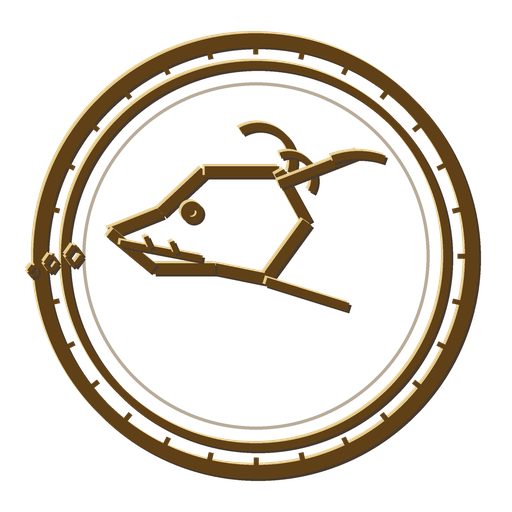
Overview
The Iron-Tusk is the Wild Boar's elder brother, and the barrens keep its name the way they keep their winters. It is a beast of eight hands, and it is grey as iron, and it is the only thing in the barrens that does not turn when the horn sounds. The hunters call it by the tusk, and the tusk is the name, because the tusk is the thing that remembers.
Habitat
It keeps to the deep barrens of Tuskridge Barrens, in the cold months, and the deep barrens are its, and the keeping is the point. It needs three things: a ground deep enough to dig to the root, a cold honest enough to keep the bristle standing, and a hunter who has not yet learned what the tusk remembers. It does not herd, and it does not migrate; a tusk that has not held the deep barrens in a season is a tusk that has forgotten the wonder, and the forgetting is the only kind the ground remembers. The range is the deep barrens and the barrens are the room, and the room is the whole of the line.
Appearance
The Iron-Tusk is a boar the way a storm is a weather — the same shape, and not the same thing. It is eight hands at the shoulder, a beast of grey bristle, and the grey is the colour of old iron left in a shaded pit, with a faint, deliberate pattern of deeper, sea-black bands along the spine where the bristle thickens for the fight. One tusk, the great one, curves up from the jaw like a scythe, white at the edge, and the other is shorter, and the beast has fought the fights that made it that way, and the fighting is the whole of the mark. The eye is small and dark and it does not move, because the eye has seen the hunter, and the hunter has seen the tusk, and there is nothing left to see. The head is broad and low and carried where the head is a weapon, and the carrying is the point. The bristle is long and the colour of iron, standing when the air turns, and the standing is the whole of the claim. The young are marked by a bristle gone a soft, pale ash-grey and a tusk that has not yet learned the curve — a young tusk digs slower and bites shorter. There is no everyday wear — the bristle is the wrap, and the barrens is the home.
Behaviour
In peace, the Iron-Tusk digs, and the digging is the point. It eats the deep root, the old carrion, and the small animal of the deep barrens, and it digs the way a thing digs that has never met a wall. In conflict it does not fight — it completes the bite, and the completing is the point. Strangers are not strangers; they are the shape the tusk is about to take. A tusk that is being lied to will not call it out — it will simply grow grey and wait, because the grey is the point. And it does not come back from the second bite, which is more than the first bite, and the not-coming-back is the whole of the temperament, because a tusk that has fought the fights that made it that way has nothing left to fight with but the tusk, and the tusk is the point.
Natural Weapons & Defenses
The weapon it is: the great tusk, which curves up from the jaw like a scythe and white at the edge, and the tusk is not a weapon but is used like one; the head, which meets the hunter and does not move; and the dig, which is not a weapon but is used like one. The defense: the bristle, which is thick enough to matter and cold enough to forget; the low head, which is the wall and the wall is the whole of the defense; and the ground itself, which a hunter who follows the Iron-Tusk into the deep barrens is the one the barrens keep. The hunt is the silence first, the dig second, and the patient, precise holding of the bite third, and the holding is the whole of the art.
Magic Alignment
Innate only — no school. The Iron-Tusk has no magic in the way the magicians mean it; it has the cold, and the cold is the whole of the school. Named inborns: Iron-Bristle (the bristle stands when the air turns, and the standing is not a choice); Deep-Dig (a tusk can dig to the root the way a thing digs that has never met a wall, and the digging is not a choice); Still-Eye (the eye does not move, and the not-moving is not a choice). There is no signature power — the tusk is the signature, and the tusk is the whole of the power.
Society
The Iron-Tusk keeps no society — a tusk is a tusk, and the tusk is the whole of the line, because the barrens measures a tusk in the dig, not in the company, and a tusk that has not held the deep barrens in a season is a tusk that has forgotten the winter, and the forgetting is the only kind the ground remembers. The lone is the only kin the barrens counts — the beast and the ground, and the keeping is the whole of the rank. A tusk that has held the deep barrens is not the same tusk that has not, and the not-same is the whole of the line, because the tusk measures itself in the dig, not in the moving. Young are raised at the wallow, where the first dig is set, and a young tusk that has not dug a wallow of its own is not given a tusk of its own.
Culture & Lore
The world's stories say this: the Iron-Tusk is the only thing in the barrens that does not turn when the horn sounds, and the not-turning is the whole of the legend, because the barrens keep their winters and the winters are the only kind the ground remembers. Where the Iron-Tusk has passed, the grass does not grow back the same, and the barrens remember the passing a season after, and the remembering is the whole of the lore, because the ground does not write, it keeps, and the keeping is the whole of the stories. The Korrath, the Fang hunters regard the tusk as the wild's own law, and the regarding is the whole of the bond, because the fang keeps the hunt and the tusk keeps the dig, and the two are the same dig seen from two grounds. The The Forgotten keep a single word about it — "the only thing that does not turn" — and the keeping is the whole of the lore.
Home
It keeps to the deep barrens of Tuskridge Barrens, in the cold months, and the deep barrens are its, and the room is the whole of the line.
Relations
The Iron-Tusk is the predator of the small thing of the deep barrens — the dig-thing, the carrion-thing, the young of the deep. It is the prey of nothing, and the nothing is the whole of the law, because the big thing of the barrens does not find the tusk, and the not-finding is the whole of the law. The barrens' folk keep their distance at the wallow, and the distance is the whole of the law, because the tusk that is the barrens' own is the barrens' own, and the barrens' own is the barrens. The The Forgotten of the barrens keep the tusk as the wild's own sign, and the keeping is the whole of the bond, because the tusk that is the barrens' own is the one the barrens keeps, and the keeping is the whole of the word.
In the Story
In the current story, the Iron-Tusk is the iron in the barrens — the ground Uaellaen writes about when the tusk is the only thing that does not turn. The Forgotten keep their distance at the dig-line, and the distance has held for two seasons. This season a tusk came up the deep barrens with a dig that was not in the ground — a dig that is not in the line, and the not-listing is the whole of the warning, because the barrens keep their winters, and the winters have started to move. The Iron-Tusk is keeping the dig, and the keeping is the page the camp has not been shown.